Table of Contents
Updated November 2026
In the garden center, “plant food” and “fertilizer” are often names for the same kind of product. The difference that matters is on the label. In the United States, a fertilizer carries a guaranteed analysis: three numbers, such as 4-3-2, that state the percent of nitrogen, available phosphate, and soluble potash in the bag.
Compost and manure feed the soil in a different way. They add organic matter and a slower trickle of nutrients, but they are not a substitute for reading the analysis when a crop needs a known rate of nitrogen. See also preparing garden soil and when to add manure.
Packages love the words “plant food.” Plants do not eat in the way we do. They take up mineral nutrients, mostly through their roots, and they build sugars with sunlight. Fertilizer is a way to supply those minerals when the soil is short. The honest way to shop is to ignore the nickname and read the guaranteed analysis, the directions, and whether the product is meant for in-ground beds, lawns, or containers.
How to Read the Three Numbers
University extensions teach the same basic label: the three numbers are nitrogen (N), phosphate (P2O5), and potash (K2O), always in that order. A bag marked 4-3-2, such as Espoma Rose-Tone, is 4 percent nitrogen, 3 percent available phosphate, and 2 percent soluble potash by weight. A 10-10-10 bag is more concentrated. “Complete” fertilizers have some of each; a 21-0-0 product is a nitrogen source only.
Nitrogen tends to drive leafy growth. Phosphorus is important for roots and early growth, but many soils already have enough, which is why a soil test is safer than adding phosphorus every year by habit. Potassium supports overall plant function and stress tolerance. The right bag depends on the crop and the test, not on which word, “food” or “fertilizer,” is printed in a larger font.
Where Compost Fits
Compost and composted manure improve soil structure, help with drainage and water-holding, and release nutrients slowly as microbes break them down. They belong in a yearly soil plan. They do not always provide a predictable nitrogen rate the way a labeled fertilizer does. If your tomatoes are pale and a test shows low nitrogen, a fertilizer with a known analysis is the more precise tool. If your soil is crusted, low in organic matter, or worn out after a long season, compost is the first move.
For bagged garden mixes rather than fertilizers, see our organic soil review and the best soil for herbs.
1. Espoma Organic Rose-Tone 4-3-2 Fertilizer
Example of a labeled fertilizer (4-3-2)
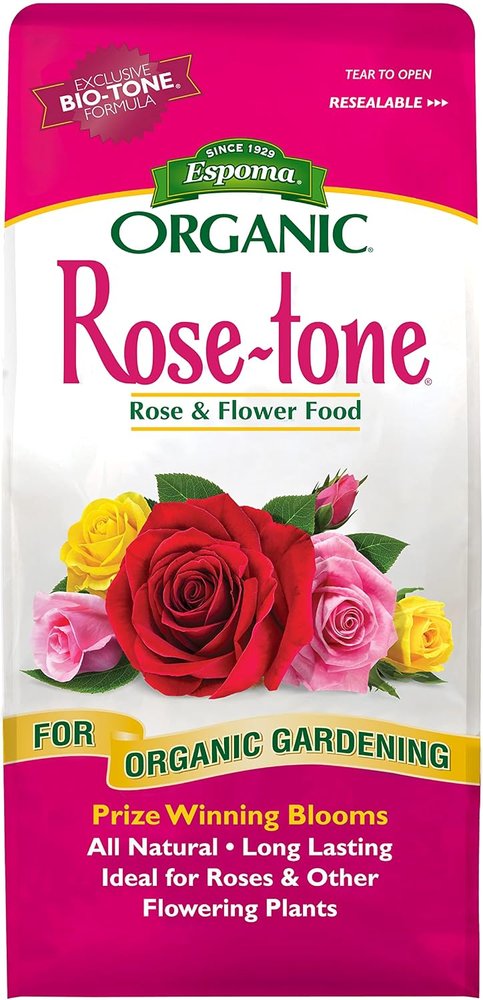
- Guaranteed analysis: 4-3-2 (nitrogen, phosphate, potash)
- Product: Espoma Organic Rose-Tone
- Use: follow the rate on the label; also used by gardeners on roses and many flowering plants
Rose-Tone is a clear example of what a fertilizer label looks like: the analysis is printed as 4-3-2, so you know what you are adding. Use the rate on the bag. It is not an all-purpose stand-in for compost, and a soil test still matters if you fertilize the same beds every year.
Pros
- The 4-3-2 analysis is printed on the bag
- Familiar organic-style fertilizer for home gardens
Cons
- Not a soil-structure amendment like compost
- A rose-formulated fertilizer may not be what a soil test says a vegetable bed needs
2. Espoma Organic Land and Sea Gourmet Compost
Better first choice when the soil itself is tired
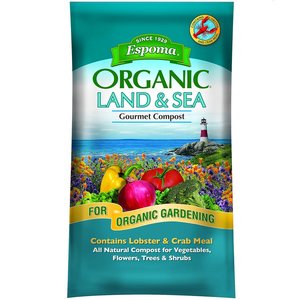
- Product: Espoma Organic Land and Sea Gourmet Compost
- Role: organic matter, not a three-number fertilizer
If the question is plant food versus fertilizer, compost sits in a third category: a soil amendment. Use it to build the bed, then add a labeled fertilizer only when the crop or a test calls for it.
Pros
- Improves soil rather than only adding a salt-based nutrient charge
- Works in fall or spring soil prep
Cons
- Nutrient release is slower and less precise than a fertilizer analysis
How to Choose, Without Guessing
- Start with a soil test if you have never tested, or if plants have struggled for a season.
- Build or keep organic matter with compost or composted manure.
- When you buy a fertilizer, match the analysis and the directions to the crop. Lawn products are often too high in nitrogen for vegetable beds and may include herbicides you do not want near food.
- More is not better. Extra nitrogen makes weak, leafy growth and can keep tomatoes from setting fruit well.
Frequently Asked Questions
Is plant food just a marketing word?
Often yes. Look for a guaranteed analysis. If there are no three numbers and no directions that act like a fertilizer rate, you may be holding a soil amendment or a vague blend.
Can I use rose fertilizer on vegetables?
Only if the label allows it and the analysis fits what the crop needs. When in doubt, use a vegetable fertilizer or follow a soil test, and stay inside the labeled rate.
Do I still need fertilizer if I add compost every year?
Maybe not every season. Compost helps, but it may not supply enough nitrogen for heavy feeders. A test, and the way the plants actually grow, should decide.
If you grow greens in a water-based indoor garden rather than in soil, the fertilizer is dissolved in the reservoir. See our guide to indoor hydroponic gardens for how those systems are fed.
Sources
- U.S. fertilizer labels: the three-number guaranteed analysis (nitrogen, available phosphate, soluble potash) is the standard format taught by university extensions when reading a bag.
- USDA AMS, Soil Building: Manures and Composts
- Our soil preparation guide and manure timing guide.
The Gardener’s Voice Team publishes practical gardening guides and product comparisons for home gardeners. We explain how tools, soil, watering systems, and lawn equipment work, and we show our sources when we cite a figure or a recommendation.